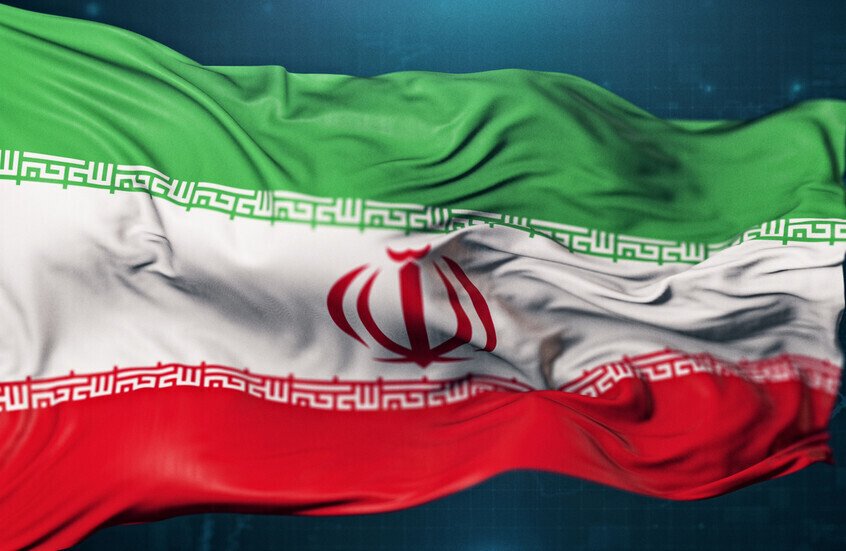
Relations between the Islamic Republic of Iran and the United States of America are heading into a new chapter of indirect nuclear negotiations in Geneva, following a first round held earlier this month in Muscat.
These talks represent an important step in attempts to revive diplomatic dialogue over Iran’s nuclear program, which Tehran considers a legitimate sovereign right, while Washington calls for lifting sanctions and halting certain activities without infringing on Iran’s right to peaceful enrichment.
The Second Round in Geneva: What Lies Ahead?
Iran’s Foreign Ministry announced that Foreign Minister Abbas Araghchi has departed Tehran for Geneva to begin the second round of indirect nuclear talks with the United States, mediated by the Sultanate of Oman. The discussions are expected to take place later this week.
The talks will include meetings with European officials and heads of international organizations such as the International Atomic Energy Agency, in an effort to establish clear negotiating frameworks. According to the Iranian Foreign Ministry, the previous round in Muscat was positive and open, despite failing to reach a final agreement.
Iran’s Position on Enrichment and Sanctions Relief
Iranian Deputy Foreign Minister Majid Takht-Ravanchi stated that Iran is prepared to offer concessions in the negotiations reflecting genuine flexibility to reach a solution, but only on the condition that U.S. economic sanctions are lifted in a clear and effective manner.
He emphasized that the ball is now in Washington’s court to demonstrate seriousness in achieving an agreement.
At the same time, Tehran reaffirmed that it will not abandon its right to enrich uranium on its own territory, considering U.S. demands to halt enrichment or reduce it to zero as non-negotiable infringements on its sovereignty.
Iranian officials also indicated readiness to review enrichment levels or reach technical arrangements — such as reducing the stockpile of enriched uranium — in exchange for sanctions relief that would benefit the Iranian people and ease economic pressures.
Iran’s Negotiating Framework: Rights and Sovereignty
The Iranian side continues to draw a clear line against concessions that undermine sovereign rights, including enrichment or the imposition of strict constraints on its peaceful nuclear program.
Tehran insists that its nuclear activities are peaceful in nature and that the purpose of negotiations is to secure mutual economic and political benefits — not compliance with unilateral external dictates.
This approach reflects Iran’s determination to pursue diplomacy grounded in respect for the fixed rights of the Iranian people, provided the talks are fair, rational, and serve the interests of both sides.
Tel Aviv’s Escalatory Conditions: “The Three No’s”
In response to the negotiation track between Iran and the United States, Israeli Prime Minister Benjamin Netanyahu put forward what he termed the “three no’s” as conditions for any potential agreement with Tehran.
He insisted on the complete removal of all enriched uranium stockpiles from Iran, a total halt to enrichment, and the dismantling of Iran’s technical capability to resume enrichment in the future. He also sought to link any deal to Iran’s ballistic missile program, setting limits on missile range to prevent what he views as a threat.
This stance reflects strong opposition from Israel — particularly from political circles in Tel Aviv — to any settlement that does not eliminate Iran’s nuclear capabilities entirely, placing renewed pressure on Washington and Tehran to reshape their negotiating ambitions.
Challenges Ahead of Geneva
Despite preparations, major differences remain between Tehran and Washington over enrichment, sanctions relief, and international verification mechanisms — making the Geneva round a real test of both sides’ ability to overcome long-standing disputes and rebuild trust.
Still, statements from Iranian officials reveal a clear willingness to continue dialogue in pursuit of a negotiated solution that safeguards rights and interests without compromising national principles.
The nuclear talks come at a sensitive moment amid intense regional and international anticipation. Iran’s position underscores its commitment to reaching a fair and balanced agreement that lifts economic sanctions while preserving its right to a peaceful nuclear program.
The second round in Geneva offers a renewed opportunity to stabilize the diplomatic track — at a time when the need for a negotiated, balanced solution has never been greater to support regional stability and enable Iran to pursue its sovereign development path.
About the Author