By Radwan Mouzahem –
As artificial intelligence reshapes industries, societies, and economies at a pace that few predicted, China has quietly positioned itself as an indispensable node in the global AI ecosystem — not just as a consumer of the technology, but as a manufacturer, innovator, and supplier of the foundational infrastructure that makes AI possible at scale.
This week’s trade data and corporate disclosures offer striking evidence of China’s central role. Zhongji InnoLight, a leading Chinese manufacturer of optical transceivers — the components that enable high-speed data transmission in AI data centres — reported a staggering 262 percent jump in quarterly profits, driven entirely by surging global demand for AI computing infrastructure. The company’s order books stretch months ahead, reflecting how deeply embedded Chinese manufacturers have become in the global AI hardware supply chain.
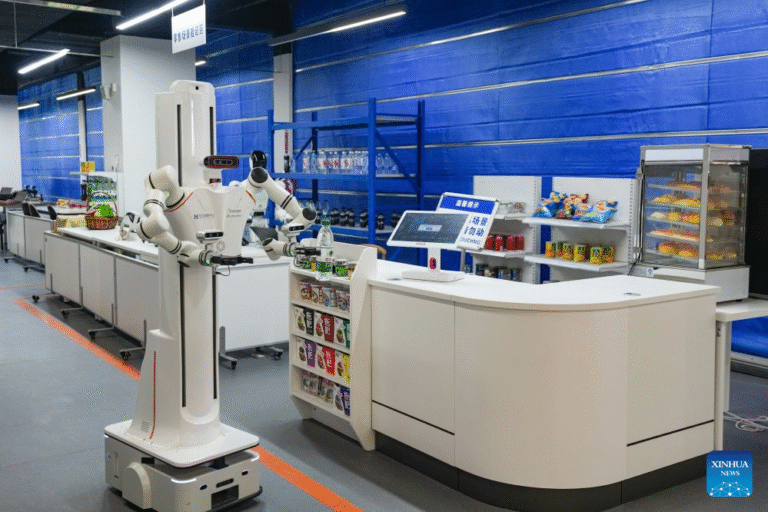
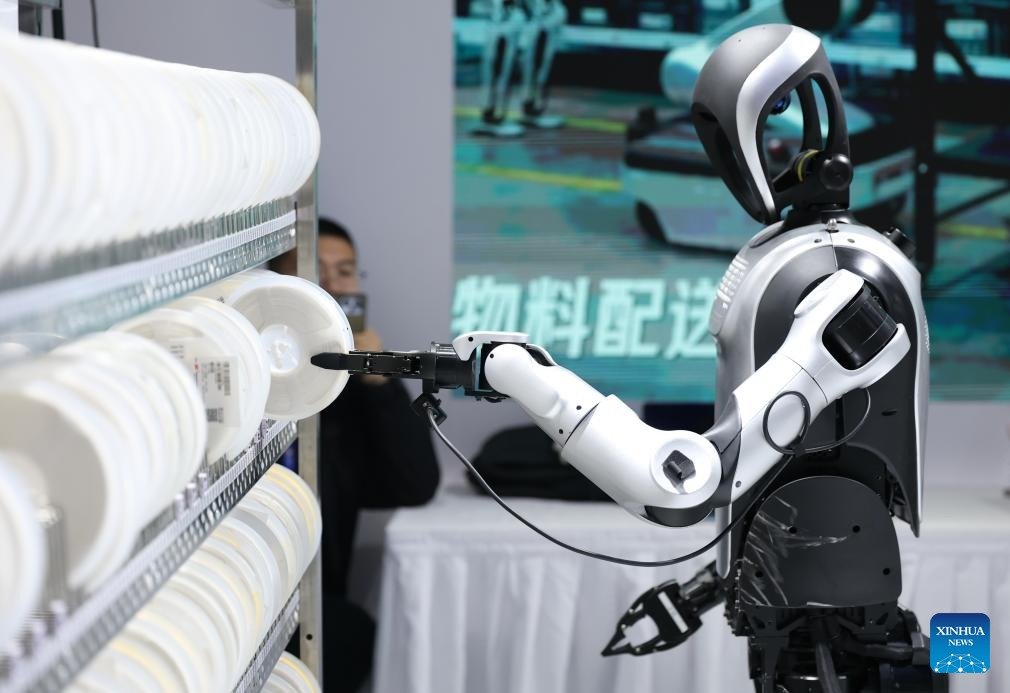
Beyond components, China is investing massively in the software, algorithmic, and application layers of AI. Domestic champions like Baidu, Alibaba, Huawei, and a new generation of well-funded startups are developing large language models, computer vision systems, industrial automation platforms, and AI-powered healthcare tools that are increasingly competitive with the best global offerings.
The government’s role has been catalytic. Beijing’s AI development strategy — combining massive state investment in basic research, preferential policies for commercial deployment, and a domestic market of 1.4 billion users to train and refine AI systems at unprecedented scale — has created a competitive ecosystem unlike anything elsewhere in the world.
Internationally, Chinese AI firms are expanding. From smart city projects in Southeast Asia and Africa, to AI-assisted agriculture tools in Central Asia, to logistics optimisation platforms in the Middle East, China’s AI exports are generating real value in developing markets that Western tech companies have often overlooked.
The global AI race is often framed as a binary contest. The reality is more complex — and China’s role in it is more fundamental than headlines typically suggest.
About the Author