Silk Road – Few bilateral economic relationships in Asia have evolved as rapidly — or as productively — as the partnership between China and Vietnam. What began as a relationship defined largely by geography and trade in basic goods has transformed into a sophisticated, multidimensional alliance spanning infrastructure, digital technology, artificial intelligence, green energy, and people-to-people exchange.
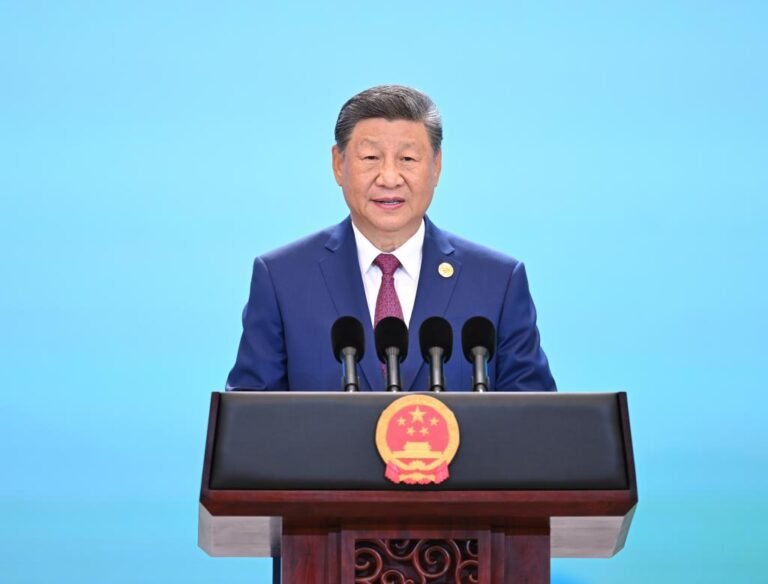
Vietnam’s newly inaugurated General Secretary, To Lam, made China his first overseas destination after assuming the country’s top leadership position — a choice laden with symbolic and practical significance. During his visit, he met with Chinese President Xi Jinping, with both leaders reaffirming their commitment to deepening cooperation across every major sector of the bilateral relationship.
The numbers bear out the depth of this partnership. China remains Vietnam’s largest trading partner, with bilateral trade volumes surpassing $200 billion in recent years. Vietnamese exports of electronics, garments, and agricultural products flow north in vast quantities, while Chinese inputs — machinery, components, raw materials — form the backbone of Vietnam’s manufacturing sector.
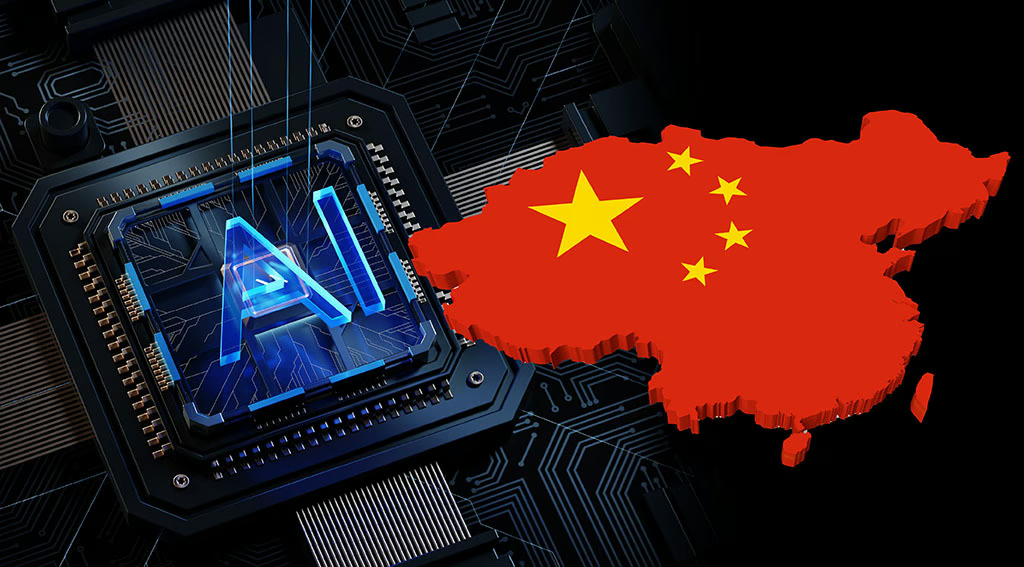
But the relationship has evolved well beyond simple trade. Chinese investment in Vietnam’s industrial zones has accelerated sharply, particularly in the technology and renewable energy sectors. Joint ventures in solar panel manufacturing, electric vehicle components, and digital infrastructure are reshaping the Vietnamese economic landscape. Meanwhile, the two countries have launched collaborative AI initiatives, with Chinese tech firms partnering with Vietnamese counterparts on smart city development, digital payments, and logistics automation.
Green energy cooperation is another rising pillar of the partnership. As Vietnam races to expand its renewable capacity to meet both domestic demand and global investor expectations, Chinese firms have positioned themselves as key partners in wind, solar, and grid modernisation projects.
The China-Vietnam relationship offers a template worth studying: two neighbouring nations that have chosen deep economic integration as the foundation of their diplomacy, generating prosperity on both sides while contributing to regional stability.
About the Author