EXCLUSIVE – Damascus – Silk Road –
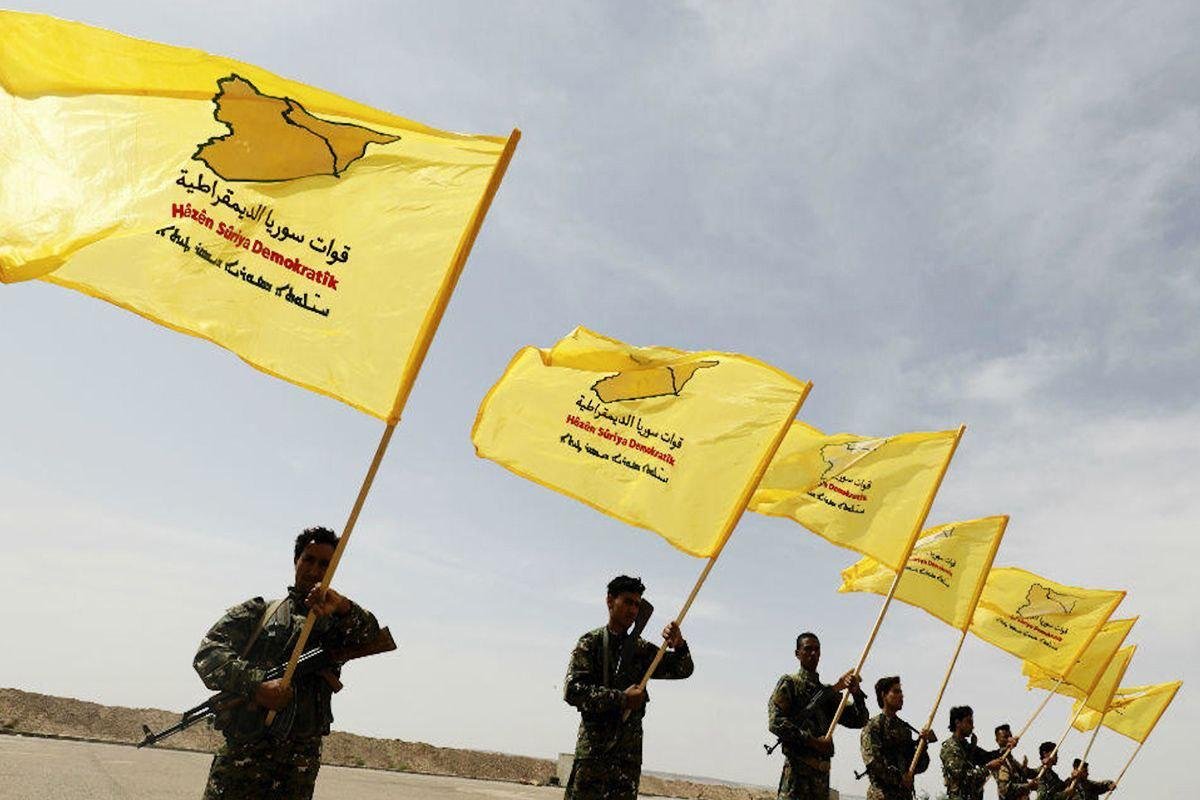
In March 2025, it appeared that the relationship between the Syrian Democratic Forces (SDF) and the Damascus government had entered a new phase of understanding when SDF commander Mazloum Abdi and President Ahmad al-Shar’a signed a historic agreement. The deal provided for integrating the SDF’s civil and military structures into Syrian state institutions.
The agreement raised hopes that northeastern Syria might witness long-term stability. However, in the months that followed, numerous obstacles emerged on the ground. Renewed clashes and escalating tensions resurfaced, revealing that the agreement—while symbolically significant—was no guarantee of real unity or full implementation.
Declared Provisions of the Agreement and Core Challenges
From the outset, the March 2025 agreement was built on several main pillars: integrating the SDF into the state, transferring control of border crossings, airports, oil and gas fields, guaranteeing Kurdish political representation, and establishing a comprehensive ceasefire. Implementing these points has faced major political and security obstacles.
1. Military aspects:
The SDF insists on maintaining its structure as a unified military entity within the state, while Damascus demands that its fighters be reorganized into brigades and smaller units inside the regular Syrian army. This divergence in military vision creates a fundamental trust issue, as the SDF views its unified structure as an established power base it cannot relinquish.
2. Governance and identity:
Abdi seeks broader local self-rule, proper Kurdish political representation, and constitutional guarantees, while Damascus rejects any form of federalism.
Abdi stated publicly during his meeting with al-Shar’a that he wants “a self-administration zone similar to the Kurdistan Region of Iraq,” considering decentralization necessary to avoid reproducing the old centralized system.
From Damascus’s perspective, such a model carries the danger of paving the way for partition under a political guise.
3. Economic resources:
Exchanging control over oil fields and border crossings was a core part of the agreement, but there are widespread doubts about its implementation.
The SDF seeks meaningful participation in revenue management and a local economic role, while the government refuses to grant wide economic authority without central oversight.
4. Civilian employees in the Autonomous Administration:
A major debate concerns how to integrate the SDF’s civilian personnel into state institutions—both in administrative roles and security bodies—and how to restructure civil security forces such as the Asayish under the supervision of the Ministry of Interior.
Field Escalation: Renewed Clashes and Significant Withdrawals
Despite the agreement, events on the ground showed real escalation.
On 4 October 2025, an immediate and comprehensive ceasefire was announced after clashes in Aleppo between government forces and the SDF, particularly in Sheikh Maqsoud and Ashrafieh.
Syrian Defense Minister Marhaf Abu Qasra stated that implementation of the agreement would begin immediately following this de-escalation, but the calm did not prevent renewed confrontations later.
On 20 November 2025, the Syrian Ministry of Defense announced that two soldiers had been killed in clashes with the SDF near Raqqa. Reports indicated that government artillery shelled SDF positions in the Ma’dan desert east of Raqqa earlier that morning, in response to surprise attacks carried out by SDF-affiliated groups on Syrian army positions.
These developments indicate that the agreement has yet to establish a reliable security framework. The fragility of the ceasefire remains evident, with entrenched structural disputes and apparent willingness by some actors to apply pressure on the ground to secure gains.
Kurdish Demands and Abdi’s Statements: Political Escalation
Mazloum Abdi used official platforms to outline his vision for the future, stressing that the agreement with Damascus was not an endpoint but the beginning of a broader political transformation.
At a forum in Duhok in the Kurdistan Region of Iraq, he said that integrating the SDF into the state could enhance stability not only in Syria but also in neighboring countries—provided the integration comes with guarantees for Kurdish rights and for the SDF’s organizational identity.
Regarding Tishrin Dam in Aleppo, Abdi made detailed statements, confirming that the military component of the agreement includes SDF withdrawal from certain eastern positions and their handover to government forces, while the administrative and operational management of the dam would remain under SDF control to ensure continued functionality.
According to Abdi, there are “red lines” that cannot be crossed: first, preventing full centralization of administrative authority in Damascus, and second, preserving the SDF’s organizational structure within the Syrian army.
Conclusion
Despite the significant understanding represented by the March 2025 agreement between the SDF and Damascus, the situation on the ground as of 20 November 2025 shows that core disputes remain strong.
Military, administrative, economic, and identity-related issues remain unresolved, and renewed clashes highlight the fragility of the truce.
At the same time, Mazloum Abdi continues to raise the ceiling of Kurdish demands, increasing pressure on both sides.
If successful, the project could become a rare model of multi-component unity after years of war. Failure, however, may mean renewed conflict and further tension in northeastern Syria.
The real test now lies not in what has been signed but in whether the involved parties can translate the understanding into institutional and economic reality while ensuring the rights of all sides and avoiding a return to armed chaos or internal conflict.
source: Asian Affairs
About the Author