As strategic competition between China and the United States intensifies, artificial intelligence has become the defining theme of this era and a central axis in reshaping global power balances.
The race is no longer purely technological; it has become economic, security-driven, and geopolitical, where semiconductors intersect with algorithms and smart cities evolve into laboratories of global influence.
Beijing views artificial intelligence as a lever for technological independence and a tool to strengthen its position in the international system, while Washington continues to impose strict restrictions on the export of advanced chips and semiconductor manufacturing equipment.
From Chips to Robots: How China Is Building an Integrated AI Ecosystem
U.S. restrictions on exporting advanced chips have pushed Beijing to accelerate plans to develop high-performance domestic alternatives, accompanied by massive investments in the semiconductor sector. Some companies are expanding production capacity, while others are developing their own processors to support AI applications and cloud computing.
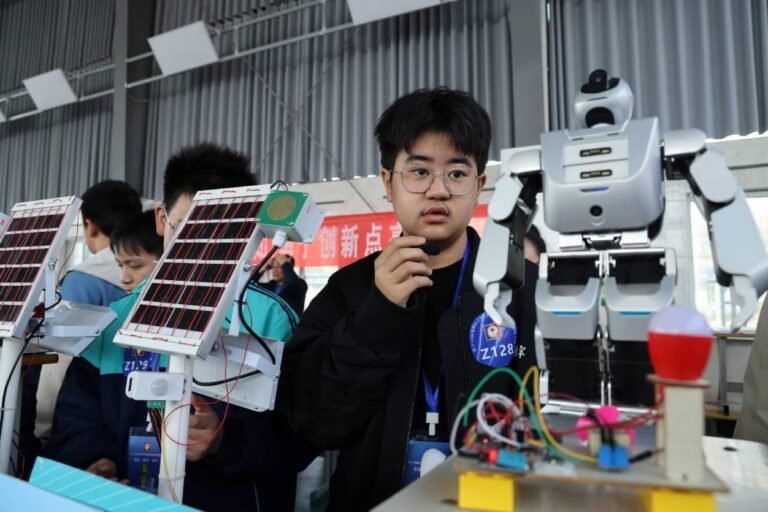
This approach goes beyond manufacturing. It extends to building a comprehensive ecosystem that includes scientific research, startup incubators, and stronger links between universities and industry.
The Chinese government has doubled funding for AI laboratories and launched programs to integrate the technology into advanced manufacturing, transportation, healthcare, and government services, as part of a long-term strategy to reduce dependence on Western technology.
The Digital Cold War: Who Leads the AI Race?
Competition has shifted to generative AI models, with Chinese companies racing to develop platforms comparable to their American counterparts. The contest is not only about model performance, but also about the speed of commercial deployment in China’s vast domestic market, which gives companies an advantage in data access and large-scale experimentation.
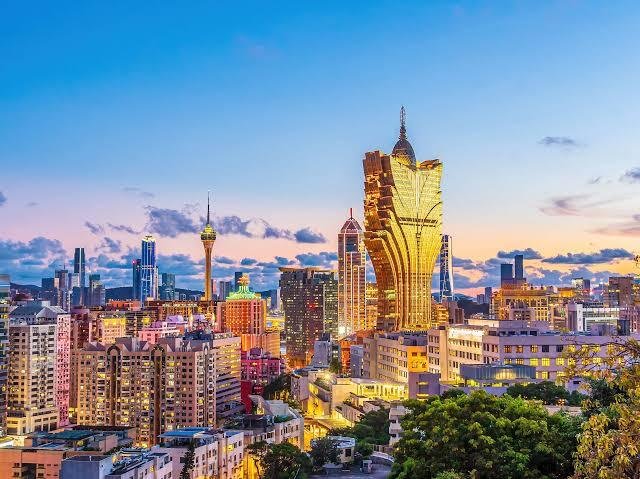
At the same time, Beijing is expanding its presence in Asian and African markets by exporting smart city solutions, 5G networks, and cloud computing platforms, strengthening its digital influence beyond its borders.
The surge in patent filings in industrial robotics, autonomous vehicles, and facial recognition technologies reflects China’s clear ambition to lead the next phase of the Fourth Industrial Revolution.
Artificial Intelligence Between Innovation and Regulation
Despite strong government support, Chinese companies face complex internal challenges. Tighter regulatory oversight of major technology firms in recent years has reshaped the relationship between the state and the private sector.
Beijing seeks to strike a delicate balance between encouraging innovation and maintaining control over data flows, treating data as a strategic resource that must be protected.
The migration of some technical talent abroad also raises questions about China’s ability to retain top expertise in a highly competitive global environment. Nevertheless, the state is investing heavily in education and scientific research to address potential gaps.
Technology at the Spring Festival: A Showcase of Digital Soft Power
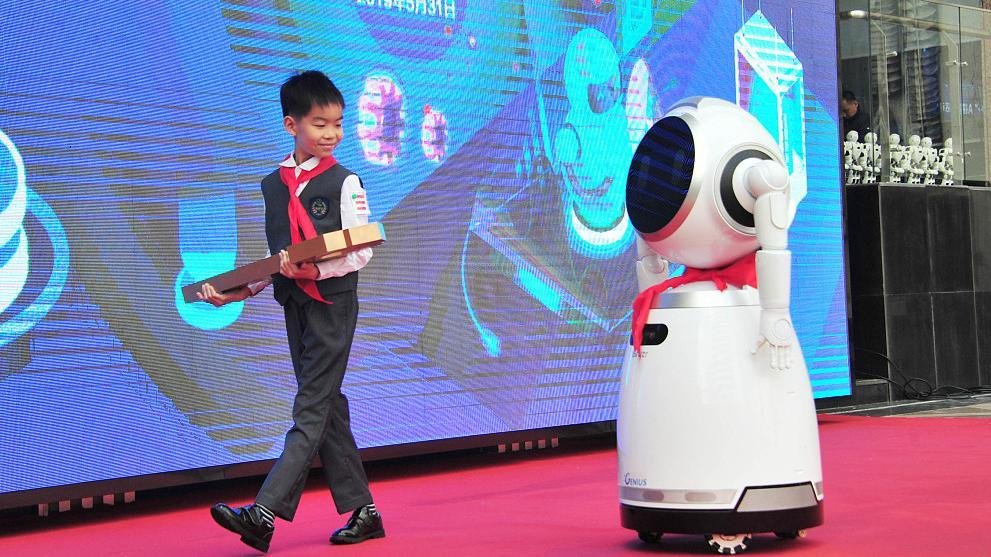
Even in the cultural sphere, technology serves as a display of digital strength. During Spring Festival celebrations, artificial intelligence and augmented reality technologies were integrated into television performances and public events, including dancing robots, algorithm-powered visual effects, and smart broadcasting systems that interact with audiences in real time.
These applications reflect not only technological advancement, but also a society striving to integrate innovation into everyday life—from entertainment to urban management.
Technological Independence: A Strategic Goal for Beijing
Artificial intelligence has become a core element in geopolitical calculations. Western concerns over the military and security applications of advanced technologies have led to the formation of new technological alliances in Asia and Europe aimed at balancing Chinese influence.
For Beijing, achieving self-sufficiency in chips and intelligent systems is a matter of national sovereignty, no less critical than food or energy security.
The central question remains: Can China break the monopoly on advanced technology and build an independent ecosystem capable of competing with American dominance? Current indicators suggest a long-term race—defined by innovation, powered by data and semiconductors, and contested across the globe.
About the Author