Japan is undergoing an unprecedented demographic transformation marked by a sharp rise in the elderly population alongside a continuous decline in birth rates.
This reality is reshaping society and imposing profound economic challenges affecting the labor market, public spending, and long-term growth prospects, pushing authorities to reconsider traditionally conservative policies — most notably on immigration.
A Society Aging at a Record Pace
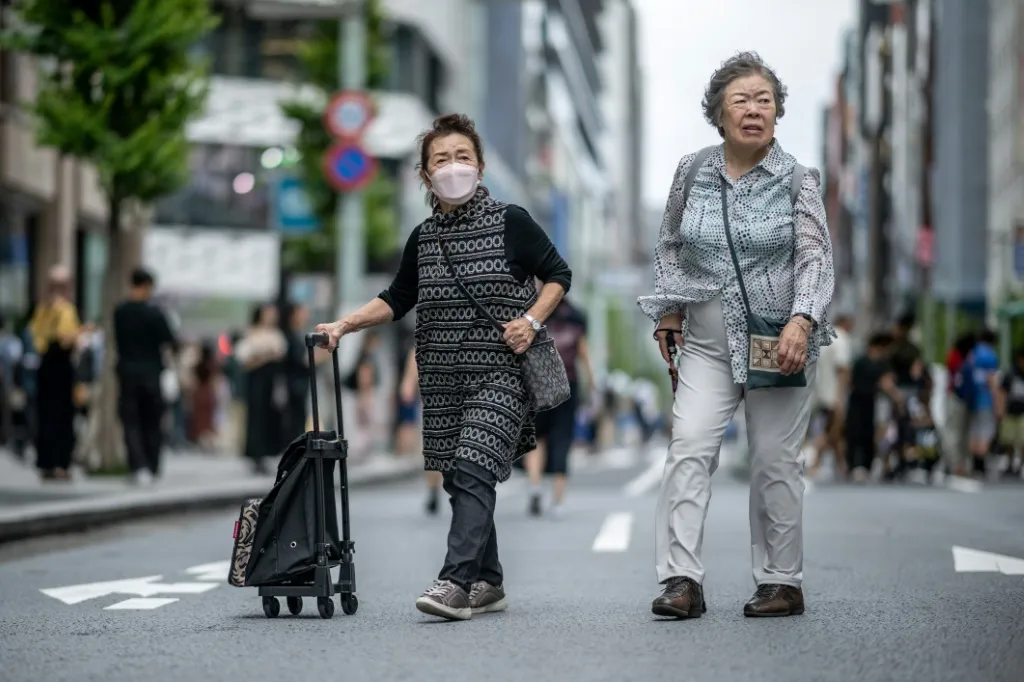
Nearly one-third of Japan’s population is now over the age of 65 — the highest proportion among major industrialized nations.
This shift means a shrinking workforce of young, economically active citizens and a rapidly expanding segment in need of constant healthcare and social support.
As life expectancy continues to rise, pension systems and public healthcare costs are growing heavier, placing mounting pressure on the national budget and testing the sustainability of the welfare state.
A Labor Market Losing Its Youth
The number of new entrants into the workforce has declined noticeably in recent years, while companies continue to struggle to maintain production and service levels.
What once appeared to be a temporary labor gap has evolved into a structural problem affecting sectors such as manufacturing, construction, transportation, and healthcare — raising the risk of prolonged economic slowdown if left unresolved.
Foreign Workers as an Unavoidable Solutio
To confront this shortage, Japan has increasingly opened its doors to foreign labor, with migrant worker numbers reaching record levels in an effort to fill the expanding workforce gap.
Recruitment is no longer limited to temporary or low-skill jobs, but now includes technical and professional roles critical to the economy.
This shift reflects growing official recognition that reliance on the domestic population alone is no longer sufficient to sustain economic momentum.
Domestic Tensions Between Economic Need and Social Identity
Despite the clear economic necessity, immigration remains a sensitive issue within Japanese society.
Concerns over cultural change, social integration, and pressure on public services have fueled cautious — and at times hostile — political rhetoric.
This debate places the government in a difficult balancing act: meeting economic demands while addressing public unease, a challenge with no easy or stable resolution.
A Demographic Future Reshaping Economy and Society
Population projections indicate that Japan’s overall population will continue to shrink in the coming decades, with the elderly share expanding further.
This trajectory affects not only workforce size, but also consumer behavior, housing demand in certain regions, and the scale of healthcare and social services.
Over time, these shifts may redraw the country’s economic landscape and alter its role in the global economy.
Searching for Solutions Beyond Traditional Models
Alongside growing reliance on foreign workers, Japan is restructuring its labor market through increased automation and robotics in factories and service industries, as well as encouraging greater workforce participation among women and capable seniors.
It has also turned to recruiting caregivers from countries such as India to relieve mounting pressure in elderly care — one of the sectors hardest hit by demographic aging.
A Demographic Crisis Shaping Japan’s Next Era
What Japan faces today goes far beyond a simple decline in births or natural population aging. It is a profound transformation touching the foundations of both the economy and society.
Between urgent labor needs, immigration debates, and efforts to adapt through technology and labor reforms, the country is entering a period of comprehensive redefinition of its social and economic model.
If current demographic trends persist, this crisis is likely to remain at the center of Japanese policymaking for decades to come.
About the Author