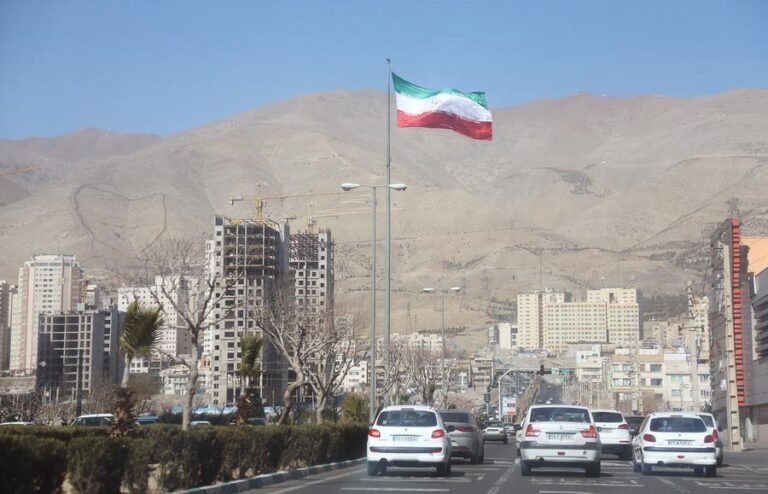
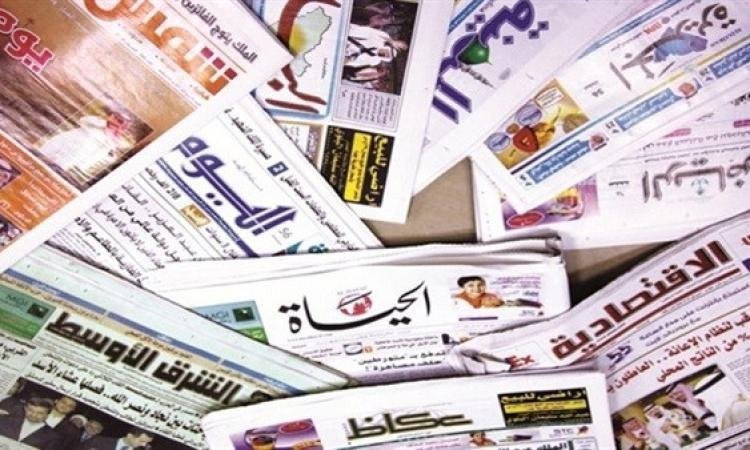
In a historic moment reshaping the map of international power balances, the bloody events unfolding in Iran have turned the country into a focal point of global media attention—from New York to London, and from Tehran to Cairo.
What began as a series of escalating tensions between Tehran and the West has reached the stage of open confrontation following a joint U.S.-Israeli strike on key Iranian facilities, including the location of the Supreme Leader, Ali Khamenei, whose death Iranian media officially confirmed.
These developments are not merely a passing headline; they appear to be a major spark that has shaken the front pages of newspapers worldwide and revived fundamental questions about the future of the Iranian regime, the role of major powers in the Middle East, and the consequences for international politics and global energy markets.
Western Front Pages: A Shocked Reading of Events in Iran
In the United States and across Europe, leading newspapers carried headlines marked by shock and concern over the unfolding events.
Western media focused on the airstrikes, which Washington and Tel Aviv described as precise operations targeting senior Iranian leaders and security advisers, resulting in the killing of the Supreme Leader and several high-ranking Iranian officials.
Reports widely covered explosions that rocked the capital, Tehran, alongside images and analyses of the potential repercussions for Middle Eastern security, global energy markets, and political dynamics both within Iran and in Western countries.
American newspapers also analyzed what they described as Washington’s intention to reshape the structure of the Iranian regime, under the stated goal of halting the nuclear program and countering what it calls “strategic threats.”
European coverage, meanwhile, emphasized the risk of the conflict expanding and the urgent need for diplomatic action to contain a crisis that threatens the stability of the entire region.
The Iranian Narrative in Official Press: Defending Sovereignty
In contrast to Western coverage, Iranian headlines in Tehran’s official newspapers carried a strong tone centered on national sovereignty and legitimate self-defense.
Inside Iran, the airstrikes were described as a “direct assault on the Iranian state and its highest institutions.” The press highlighted the official declaration of national mourning, rejection of compromise, and commitment to a firm response demonstrating the system’s ability to defend itself regardless of the cost.
Newspapers close to state institutions stressed that what occurred is not the end of the regime, but rather a test of its strength and resilience as a nation confronting what they describe as “harsh Western aggression.” This narrative also emphasized unified popular and religious solidarity in the face of what is portrayed as an “international incitement campaign.”
Arab Press: Regional Positions and Concerns Amid the Crisis
From Beirut to Baghdad, Arab headlines reflected a mix of criticism of the Western strike and warnings about the broader regional consequences of escalation.
Newspapers focused on humanitarian and economic risks while also questioning the effectiveness of military strikes in altering Iranian policies or curbing regional influence.
Arab reports repeatedly called for giving diplomacy a chance to resolve the crisis, stressing that any military escalation could further inflame tensions in the Middle East and negatively affect the stability of Gulf states and the region’s populations.
International Repercussions
Between official U.S. statements describing the strikes as a “turning point” aimed at protecting international stability and European warnings of a potential comprehensive regional war, global media coverage converges on one conclusion: what is happening in Iran is no longer an internal or purely regional matter, but a strategic issue for the entire world.
This shift in global media discourse—from conventional crisis reporting to in-depth debate about the future of the Iranian regime—reflects the expanding scope of tensions and their possible interaction with profound political, economic, and geopolitical developments in the near future.
Iran in the Mirror of the Global Press
Today’s headlines confirm that Iran is no longer merely a regional issue; it has become central to the global conversation on war and peace, national sovereignty, and major transformations in international relations.
Western media portray the events as an escalation requiring deterrence and intervention, while official Iranian media frame them as an attack on state legitimacy and independence. Arab media, meanwhile, warn of the consequences of escalation for regional security.
Across the pages of newspapers, a vivid picture emerges of a conflict not only between states, but between competing visions of the world and Iran’s future role in the international order.
About the Author