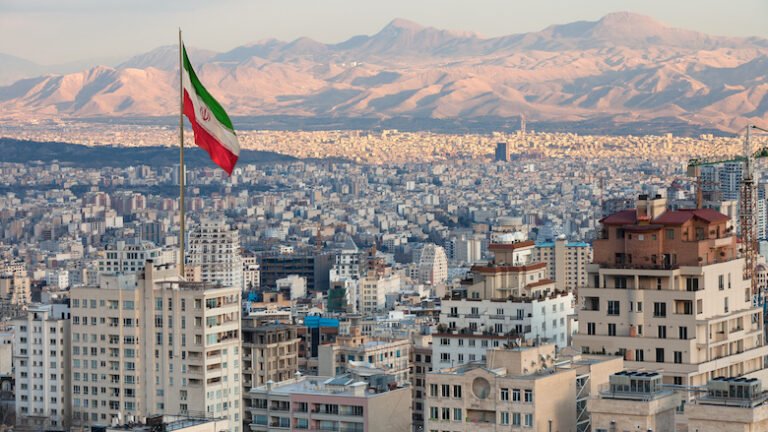
With escalating military tensions and reciprocal strikes in the region, Iranian cities have witnessed widespread popular displays of solidarity with the state and the army in recent days.
In the capital, Tehran, and other cities, large crowds took to the streets in nighttime marches after Iftar, raising slogans condemning war and foreign aggression and expressing support for the state and armed forces.
Footage circulated in Iranian local media shows mass gatherings and cars driving through the streets in solidarity convoys, resembling a public display of national unity.
These marches, which have been recurring for several days, reflect an internal mobilization in the face of external aggression, with participants waving Iranian flags and affirming their support for the political system and state institutions.
Observers note that these movements reflect a mixture of patriotic sentiment and media-driven mobilization at a sensitive time, as the state seeks to project an image of internal cohesion amid military and political pressures.
Daily Life Amid Tensions
Despite the wartime atmosphere and tensions, daily life in Iran continues largely, albeit cautiously.
Markets and shops remain open in most cities, and people continue to go out for essential groceries and daily necessities.
However, activity in some neighborhoods, especially in Tehran, decreases at night compared to normal days. Due to heightened concern over military developments, many residents prefer to stay home during nighttime hours, while daytime activity remains closer to normal.
Iranians rely on local markets and traditional bazaars to manage their daily needs, which still play a crucial role in distributing goods and food.
Public transportation and major stores continue to operate, although some goods have experienced price increases due to fears of supply disruptions.
Electricity, Water, and Basic Services
Despite severe economic pressures, Iran has not yet experienced a widespread collapse of basic services such as electricity and water.
However, the country has long faced recurring energy problems, sometimes leading to power outages, particularly during peak consumption periods.
These issues stem from multiple factors, including increased domestic consumption, insufficient investment in energy infrastructure, and the impact of economic sanctions that limit the country’s ability to modernize the electricity sector.
Economic reports indicate that energy shortages have become a chronic challenge for the Iranian economy, despite the country possessing large natural gas reserves.
Regarding water, some regions in Iran face pressure on resources due to drought and climate change, though essential supply networks still function in most major cities.
Currency Crisis and Rial Depreciation
One of the most prominent economic problems Iranians face today is the decline in the local currency’s value.
The Iranian rial has fallen sharply in recent years, with the dollar trading in the open market for over one million rials, at times approaching 1.4 to 1.5 million rials per dollar.
This steep decline has caused the prices of imported goods to rise significantly and has led many Iranians to convert their savings into dollars or gold to preserve value.
Economic reports indicate that the Iranian currency has lost a substantial portion of its value over the past decade due to international sanctions and economic pressures.
Inflation and Rising Living Costs
The economic crisis affects not only the currency but also high inflation levels, which directly impact citizens’ lives. Prices have increased significantly in recent years, reducing the purchasing power of many Iranian households.
Economic estimates suggest that inflation in Iran has sometimes approached 40–50 percent, causing the cost of living to rise faster than income growth.
To address these pressures, the Iranian government has implemented financial support programs for millions of citizens, including cash transfers and social assistance, aiming to mitigate the impact of rising prices.
Iranian Economy Between Sanctions and War
For years, the Iranian economy has faced complex challenges, primarily Western sanctions that affect oil exports and foreign investment.
These sanctions have led to currency depreciation, rising inflation, and slower economic growth.
With escalating military tensions in the region, concerns have grown about the potential impact of war on the local economy, particularly regarding energy markets and international trade.
Tensions in the Gulf and the Strait of Hormuz can affect the movement of oil and global trade, which in turn impacts the Iranian economy.
Nonetheless, some official data indicate that the Iranian economy is still capable of achieving growth in certain sectors, especially non-oil trade, which has expanded in recent years.
Between Popular Solidarity and Economic Pressures
In summary, Iran today faces a complex scene combining popular mobilization against external threats and a difficult economic reality for citizens in daily life.
In streets and squares, signs of solidarity and support for the state are visible, while in markets and homes, people confront rising prices and currency depreciation.
Between these two realities, Iranians are trying to adapt to a complex situation that combines political and military pressures on one hand and accumulating economic crises on the other.
While the government continues to emphasize its resilience and ability to manage the crisis, the most pressing question for many Iranians remains: how long can the economy and society endure these pressures over the long term?
With escalating military tensions and reciprocal strikes in the region, Iranian cities have witnessed widespread popular displays of solidarity with the state and the army in recent days.
In the capital, Tehran, and other cities, large crowds took to the streets in nighttime marches after Iftar, raising slogans condemning war and foreign aggression and expressing support for the state and armed forces.
Footage circulated in Iranian local media shows mass gatherings and cars driving through the streets in solidarity convoys, resembling a public display of national unity.
These marches, which have been recurring for several days, reflect an internal mobilization in the face of external aggression, with participants waving Iranian flags and affirming their support for the political system and state institutions.
Observers note that these movements reflect a mixture of patriotic sentiment and media-driven mobilization at a sensitive time, as the state seeks to project an image of internal cohesion amid military and political pressures.
Daily Life Amid Tensions
Despite the wartime atmosphere and tensions, daily life in Iran continues largely, albeit cautiously.
Markets and shops remain open in most cities, and people continue to go out for essential groceries and daily necessities.
However, activity in some neighborhoods, especially in Tehran, decreases at night compared to normal days. Due to heightened concern over military developments, many residents prefer to stay home during nighttime hours, while daytime activity remains closer to normal.
Iranians rely on local markets and traditional bazaars to manage their daily needs, which still play a crucial role in distributing goods and food.
Public transportation and major stores continue to operate, although some goods have experienced price increases due to fears of supply disruptions.
Electricity, Water, and Basic Services
Despite severe economic pressures, Iran has not yet experienced a widespread collapse of basic services such as electricity and water.
However, the country has long faced recurring energy problems, sometimes leading to power outages, particularly during peak consumption periods.
These issues stem from multiple factors, including increased domestic consumption, insufficient investment in energy infrastructure, and the impact of economic sanctions that limit the country’s ability to modernize the electricity sector.
Economic reports indicate that energy shortages have become a chronic challenge for the Iranian economy, despite the country possessing large natural gas reserves.
Regarding water, some regions in Iran face pressure on resources due to drought and climate change, though essential supply networks still function in most major cities.
Currency Crisis and Rial Depreciation
One of the most prominent economic problems Iranians face today is the decline in the local currency’s value.
The Iranian rial has fallen sharply in recent years, with the dollar trading in the open market for over one million rials, at times approaching 1.4 to 1.5 million rials per dollar.
This steep decline has caused the prices of imported goods to rise significantly and has led many Iranians to convert their savings into dollars or gold to preserve value.
Economic reports indicate that the Iranian currency has lost a substantial portion of its value over the past decade due to international sanctions and economic pressures.
Inflation and Rising Living Costs
The economic crisis affects not only the currency but also high inflation levels, which directly impact citizens’ lives. Prices have increased significantly in recent years, reducing the purchasing power of many Iranian households.
Economic estimates suggest that inflation in Iran has sometimes approached 40–50 percent, causing the cost of living to rise faster than income growth.
To address these pressures, the Iranian government has implemented financial support programs for millions of citizens, including cash transfers and social assistance, aiming to mitigate the impact of rising prices.
Iranian Economy Between Sanctions and War
For years, the Iranian economy has faced complex challenges, primarily Western sanctions that affect oil exports and foreign investment.
These sanctions have led to currency depreciation, rising inflation, and slower economic growth.
With escalating military tensions in the region, concerns have grown about the potential impact of war on the local economy, particularly regarding energy markets and international trade.
Tensions in the Gulf and the Strait of Hormuz can affect the movement of oil and global trade, which in turn impacts the Iranian economy.
Nonetheless, some official data indicate that the Iranian economy is still capable of achieving growth in certain sectors, especially non-oil trade, which has expanded in recent years.
Between Popular Solidarity and Economic Pressures
In summary, Iran today faces a complex scene combining popular mobilization against external threats and a difficult economic reality for citizens in daily life.
In streets and squares, signs of solidarity and support for the state are visible, while in markets and homes, people confront rising prices and currency depreciation.
Between these two realities, Iranians are trying to adapt to a complex situation that combines political and military pressures on one hand and accumulating economic crises on the other.
While the government continues to emphasize its resilience and ability to manage the crisis, the most pressing question for many Iranians remains: how long can the economy and society endure these pressures over the long term?
About the Author