
By Radwan Mozahem
Overview
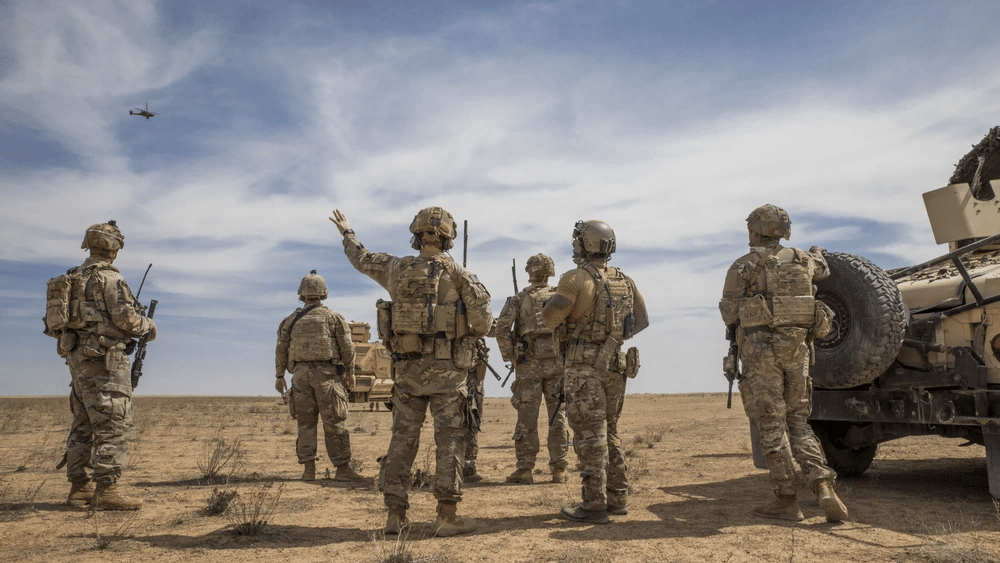
Recent social media posts and media reports have claimed that the United States is preparing for an imminent military strike against Iran, citing an expanded deployment of U.S. forces across the Middle East. These claims have generated intense discussion online amid rising tensions between Tehran and Washington.
This article provides an unbiased overview of these developments based on publicly available information and an accompanying graphic showing U.S. air and naval assets in the European and Central Command areas of responsibility.
Current U.S. Force Posture in the Region
A recently circulated graphic titled “U.S. European + Central Command | Air and Naval Assets” shows the approximate locations and types of U.S. military units currently deployed across Europe and the Middle East. The map identifies:
- Aircraft carriers
- Destroyers
- Submarines
- Command ships
- Other naval vessels
- Air assets including jets and support aircraft
The graphic also includes a breakdown of Tomahawk missile loadouts aboard naval vessels and lists units attached to the Abraham Lincoln Carrier Strike Group. According to the graphic, vessels and aircraft are stationed in the Mediterranean, Red Sea, Persian Gulf, and Indian Ocean — areas that fall under U.S. European Command (EUCOM) and Central Command (CENTCOM).
Note: This visual is based on open-source tracking and is illustrative, not an official Pentagon release.
Claims About an Imminent Attack on Iran
The social media post claims that:
- The U.S. has deployed more forces to the Middle East than during past major conflicts (First and Second Gulf Wars, Iraq War).
- Israeli media are reportedly echoing claims of heightened alert and preparedness for a conflict.
- Iran’s Foreign Ministry has warned that Tehran would respond forcefully if attacked.
At the time of writing, independent verification of these specific claims — particularly comparisons to past wars or statements from Israeli outlets — is limited.
Context: U.S.–Iran Relations and Regional Tensions
Relations between the U.S. and Iran have been strained for years, shaped by issues including:
- Iran’s nuclear program
- Sanctions
- Proxy conflicts in the region
- Attacks on commercial shipping and bases
The deployment of military assets does not inherently signal an imminent strike. Military presence can serve multiple strategic purposes, such as deterrence, protection of trade routes, or reassurance of regional allies.
Expert Observations
Security analysts often caution that:
- High military readiness does not always indicate an imminent offensive.
- Force posture can be adjusted in response to intelligence assessments or diplomatic developments.
- Public social media posts may overstate or misinterpret the significance of troop movements.
What This Means for Regional Stability
While tensions remain, there is no independent confirmation that a U.S. attack on Iran is scheduled or certain. High alert levels, force deployments, and diplomatic exchanges are part of modern geopolitical dynamics and do not always lead to open conflict.
Conclusion
The map of U.S. air and naval assets shows a concentration of forces in strategic waterways and allied bases. However, without corroborated reporting from multiple reliable news sources and official statements, it’s important to treat speculation about imminent military action with caution

About the Author