Introduction
In recent months, Morocco has witnessed a wide wave of protests led by the youth movement known as “Gen Z 212,” with participants demanding radical reforms in education and healthcare, improving citizens’ living conditions, and releasing detainees arrested during previous protests.
Roots of the “Gen Z 212” Protests
The “Gen Z 212” protests emerged from accumulated economic and social problems affecting Moroccan youth, such as high unemployment, poor-quality education, and inadequate healthcare services.
Observers indicate that the initial spark came from university students demanding better educational conditions, with the movement later expanding to include broader social and economic demands.
Moroccan youth view these movements as a means of expressing their frustration at the slow pace of governmental reforms, which has led them to use social media to organize demonstrations and spread their demands widely.
Cities of Protests and Youth Participation
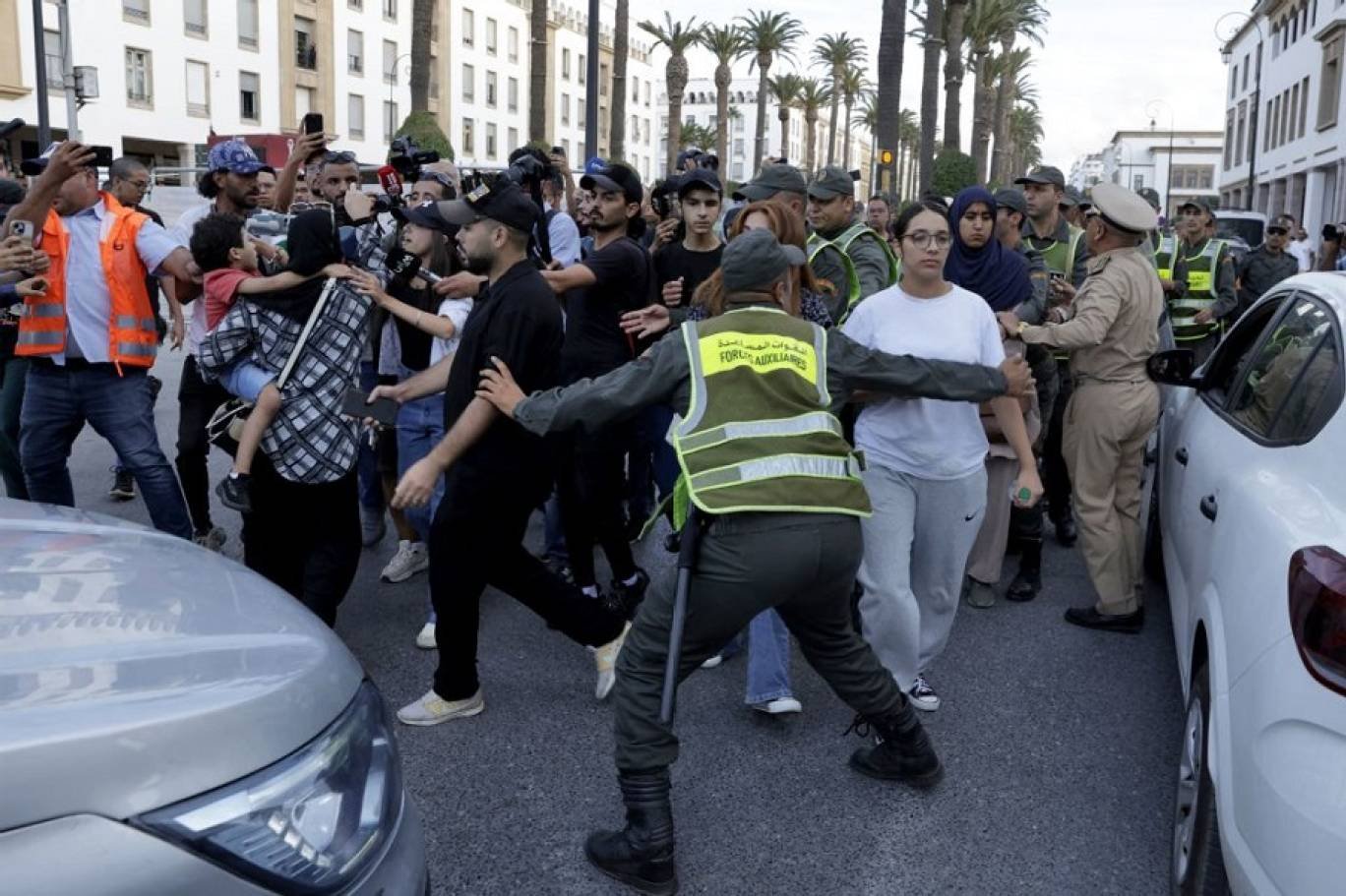
Cities such as Rabat, Casablanca, and Tangier have witnessed large gatherings of hundreds of young participants carrying slogans like “Release the detainees” and “Freedom, dignity, social justice.”
Sources confirm that these demonstrations extended to include various age groups, though youth remained the core of the movement.
Available data indicate that some local protests saw more than 2,000 participants, while authorities monitored the situation closely to prevent escalation.
This geographic spread reflects the comprehensive nature of the movement and its aspirations to create a tangible national impact.
Demands for Educational and Healthcare Reforms
The movement focused on education reform and improving healthcare services, two sectors facing increasing criticism from citizens.
In education, students complain of overcrowded classrooms and lack of resources, while the healthcare sector suffers from equipment shortages and insufficient medical staff in certain regions.
The Minister of Education recently stated that the government is working on launching projects to restructure schools and expand vocational training opportunities, while the Minister of Health announced plans to provide new medical equipment, with a commitment to improving services in regional hospitals.
Release of Detainees and Human Rights
The “Gen Z 212” movement has called for the release of young detainees arrested during previous protests, viewing continued detention as a violation of human rights.
The government, for its part, affirmed its readiness to review cases legally, with the Ministry of Justice stating: “We are committed to guaranteeing the rights of all citizens and opening the door to legal dialogue with those proven to have violated the law.”
This issue remains one of the most prominent demands affecting the dynamics of the protests and public response.
Role of Social Media
Social media has been the primary engine for organizing demonstrations and spreading demands, as young people used digital platforms to broadcast protest news, coordinate locations and timings, and deliver messages to officials and the public.
The Moroccan experience has shown that these platforms are no longer just entertainment tools, but effective political and social instruments capable of mobilizing crowds quickly, monitoring official media coverage, and attracting international press attention.
Government Response and Parallel Measures
The government has confronted the protests with a combination of dialogue and security measures.
The Moroccan government announced that it is “ready to engage in dialogue with youth and accelerate the implementation of social projects,” while an official stated that the priority would be alleviating citizens’ suffering through improvements in education, healthcare, and job creation.
At the same time, security presence was reinforced in sensitive areas to prevent clashes, while ensuring peaceful protests were not suppressed.
Economic and Social Dimensions of the Protests
These protests directly and indirectly impact the local economy, especially in cities where some commercial and service activities were partially halted.
They also carry broad social dimensions, reflecting youth aspirations for political and social participation and resistance to marginalization.
Experts note that addressing the root causes of these protests requires an effective governmental response encompassing economic and social reforms, along with fostering open dialogue with youth.
Conclusion
The “Gen Z 212” protests represent a genuine reflection of Moroccan youth’s aspirations for change and social justice. These ongoing movements underscore the importance of structural reforms in education, healthcare, and justice.
The Moroccan government must continue effective dialogue and implement tangible projects to meet youth demands while maintaining social stability, as the success of this experience could serve as a model for other countries in the region facing similar challenges in youth-state interactions.
source: Asian Affairs
About the Author