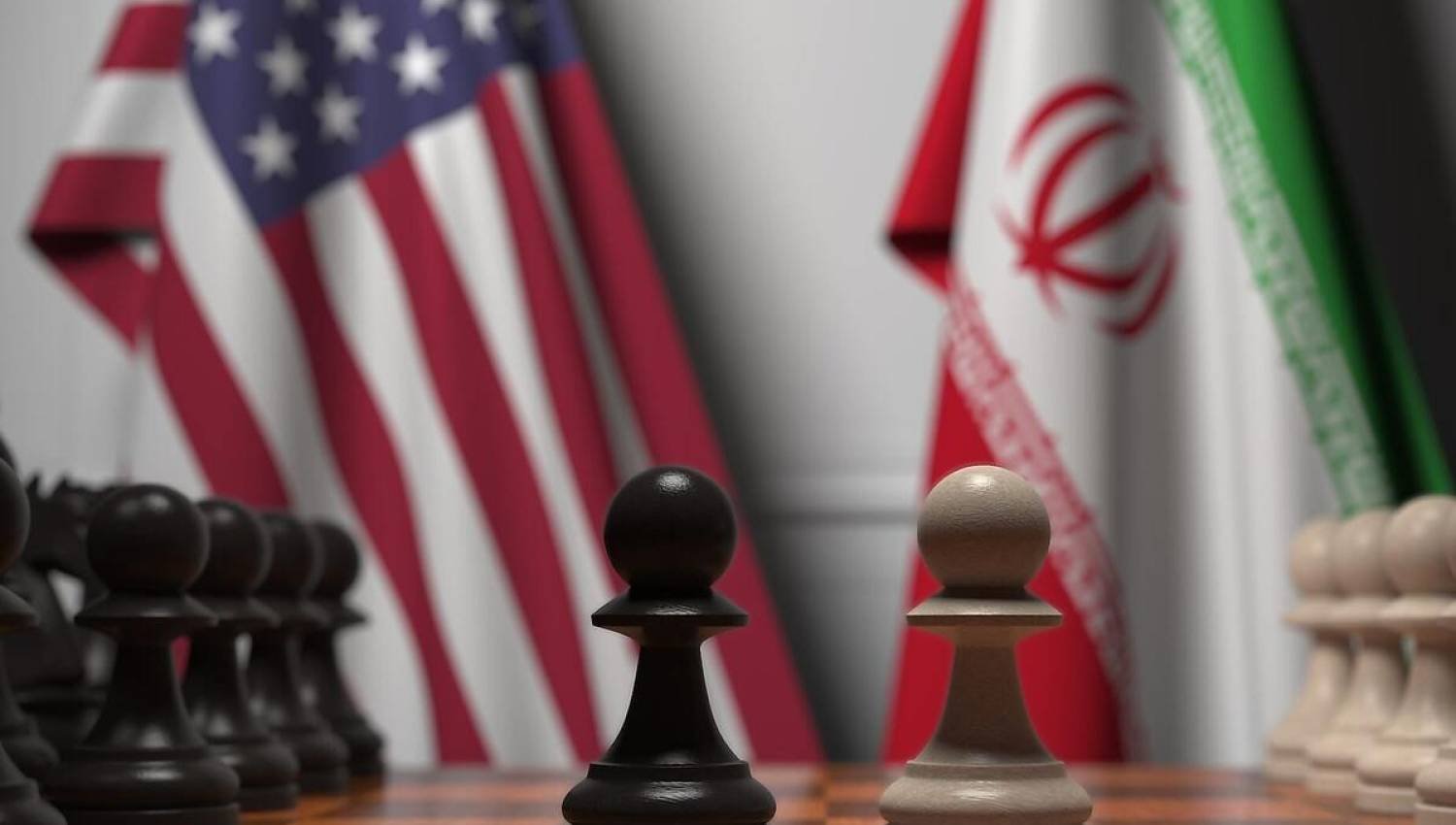
The Iranian nuclear file is experiencing one of its most tense phases since the United States withdrew from the nuclear deal in 2018. With rising tensions between Tehran and Western capitals, a new round of negotiations took place in 2025 but ended in a deadlock, after Iran rejected what it described as “unreasonable demands” from Washington and European countries.
So far, there are no signs of a resumption of talks, while Iran continues to strengthen its nuclear and missile capabilities and expand cooperation with Russia and other Asian countries, amid the full return of UN sanctions on its economy.
Negotiations Fail over “Missile Range”
Ali Larijani, Secretary of the Supreme National Security Council of Iran, stated officially on October 24 that the main reason for the failure of nuclear negotiations between Tehran and Western countries is the West’s insistence on linking the nuclear file with Iran’s missile program.
Larijani explained that Western powers demanded that Iran reduce the range of its missiles to less than 500 kilometers, which he described as an attempt to “remove the most important defensive weapon of the Iranian people.” He emphasized that Iran “will not accept any conditions that affect its national security or reduce its defensive capabilities,” noting that the “trigger mechanism” sought by Europe and the United States aimed to impose forced concessions on Tehran.
Meanwhile, Western media reported that European negotiators considered the missile program “an integral part of the Iranian nuclear threat,” making its restriction a precondition for any new agreement.
This disagreement over missiles represented the point that completely halted negotiations after five rounds of indirect meetings between Tehran and Washington in recent months.
Suspension of Talks with the United States
Iranian Foreign Minister Abbas Araghchi stated recently that his country had suspended all talks with the United States, whether conducted through intermediaries in New York or via European channels.
Araghchi told Iran’s Tasnim News Agency that “Washington made exaggerated and illogical demands” and that “the United States is not yet ready for a fair and balanced agreement.”
He added that indirect communications continue through intermediaries from Oman and Qatar, but “without any real progress.” He affirmed that Iran “still adheres to diplomacy and peaceful solutions” but “will not back down from its red lines.”
In Washington, the White House spokesperson said the United States “expects tangible commitments from Iran regarding nuclear transparency,” noting that “sanctions will continue until Tehran shows genuine readiness to cooperate.”
Cancellation of Cooperation with the IAEA
Last week, Iran officially announced the cancellation of its cooperation agreement with the International Atomic Energy Agency (IAEA), which had been signed in September.
A spokesperson for the Iranian Atomic Energy Organization stated that “the agreement became void due to the agency’s bias toward Western pressures,” but added that Iran “will consider new proposals if its national sovereignty is respected.”
A Reuters report noted that this step “represents a major blow to international transparency regarding Iran’s nuclear activities,” after the agency had previously obtained limited access to Natanz and Arak facilities.
IAEA Director General Rafael Grossi stated that “Iran’s decision makes it extremely difficult to assess the current nuclear program” and urged Tehran to resume cooperation “before it’s too late.”
Return of Sanctions and Economic Escalation
On September 28, UN sanctions on Iran were fully reinstated after a Security Council vote that Russia and China could not block. According to economic reports issued this month, inflation in Iran has risen above 50%, and the rial has lost 18% of its value in one month.
Economic reports warned of a potential “severe recession” if sanctions continue to prevent oil exports and restrict banking transactions.
The Iranian government acknowledged the difficult situation, but government spokesperson Fatemeh Mohajerani said that “the Iranian people are accustomed to resilience against sanctions” and that the government “is working to enhance economic cooperation with friendly countries.”
Cooperation with Russia and Energy/Gas Projects
Meanwhile, Iranian Deputy Oil Minister Saeed Tokali announced that gas negotiations with Russia have reached their final stages and that the two countries have agreed on a new pricing and payment mechanism.
Tokali noted that “gas reserves for power plants have reached unprecedented levels” and that Iran “is preparing for winter without any supply shortages.”
He also confirmed that Iran is working on long-term contracts with Turkey and Iraq to export gas while prioritizing domestic consumption.
The Kremlin announced that Russia will strengthen cooperation with Iran in all fields, including the construction of four nuclear power plants, as part of an investment project worth around $25 billion.
This cooperation reflects Tehran’s desire to strengthen its alliances outside the Western framework, following the collapse of the negotiation track with the United States and Europe.
Diplomatic Situation and Indirect Communications
Despite the suspension of official negotiations, Iran continues indirect contacts with some Western capitals through intermediaries, including Oman, Qatar, and the European Union.
The Iranian government spokesperson affirmed that “Tehran has not closed the door to diplomacy” but “will not negotiate under the pressure of sanctions or threats.”
Conclusion
To date, the official position can be summarized as the complete halt of nuclear negotiations between Iran and the West, with the disagreement over the missile program and sanctions mechanism preventing any political breakthrough.
Iran considers missiles part of its defense system and refuses to include them in any agreement, while the West views them as a regional threat that cannot be ignored.
In parallel, Tehran continues to build economic alliances with Russia and Asian countries to mitigate the effects of sanctions, while domestic pressure increases due to economic decline and the lack of a clear diplomatic solution.
source: Asian Affairs
About the Author